Fatigues
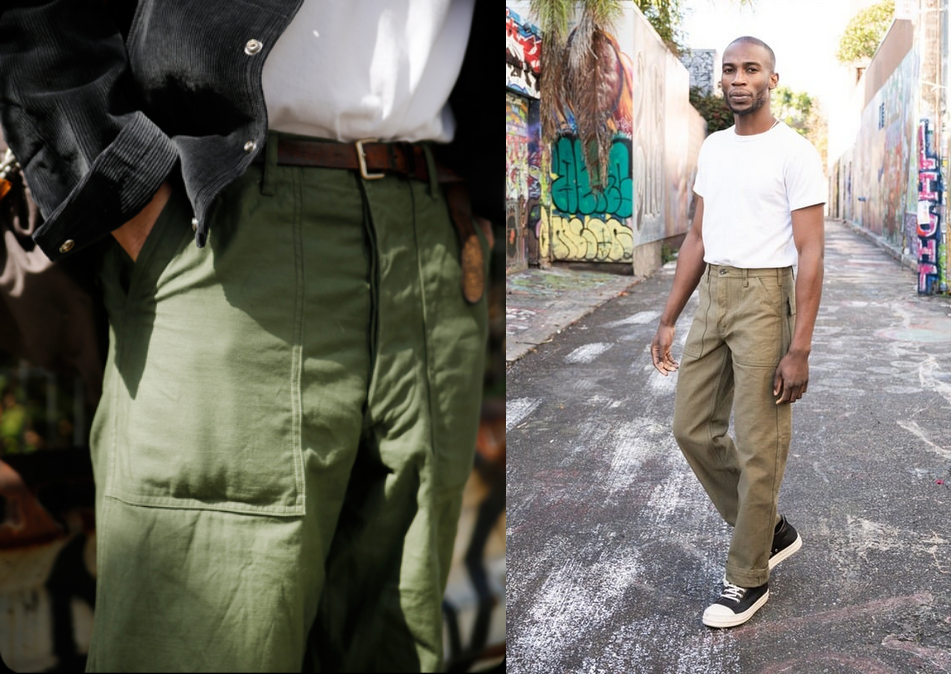
There are many wonderful items in the world of vintage style. In fact, it feels sometimes like the real finds of the vintage world were made by powers that no longer are present on this Earth. Part of that is hyperbole, but the general quality of clothes has changed over the years, hurried on by the decisions of people trying to make the most profit in the shortest period of time, a reduction of technical skills taught in schools, and a general desire for faster fashion and the industry’s own decisions to speed up style change for its own purposes. An older piece of clothing is more likely to show human skill and labor, and that skill and labor is more likely to be interesting because it shows the connection between construction and wear. With the explosion of automation and the factory perfection of clothes, character becomes more important because it shows difference and with that difference, can become more directly correlated with your own style.
All of that might be true, but one mass-produced style of pants makes a very good counterpoint.
Military fatigues were crafted to be hard-wearing and utilitarian. Tough fabric, big pockets and a cut that makes them an ideal pant for Montana Heavy Duty style. They’re incredibly versatile: they can be cut in a tailored fashion like Bryceland’s P-13s, or they can be rough and tumble like the 0G-107s worn by Martin Sheen and Marlon Brando in Apocalypse Now. Their beauty is in their mass-produced build. Their value is in their ability to be many things at once.
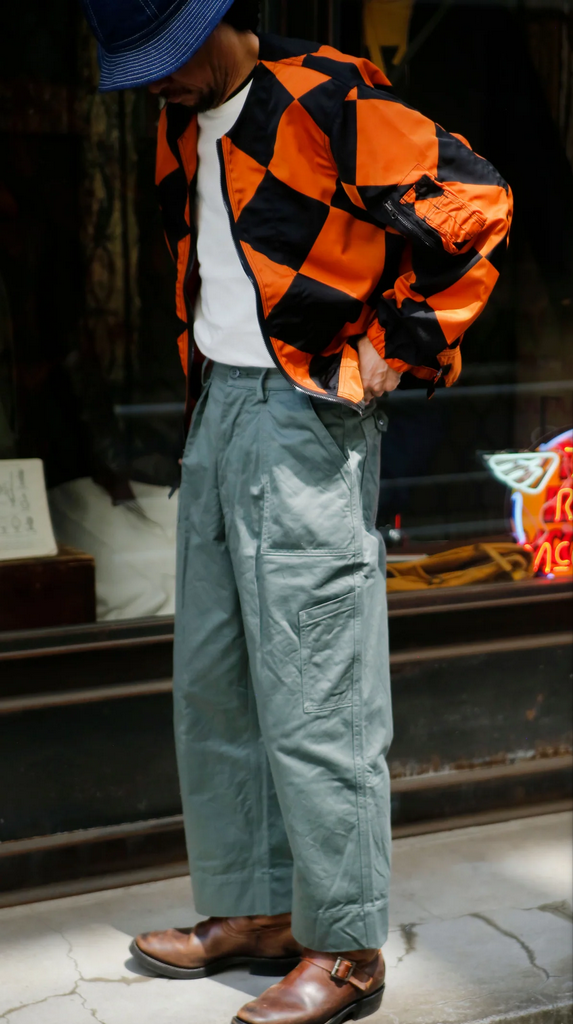
The reason I like fatigues and consider them Montana Heavy Duty is their durability, their simplicity, and their clean lines. The more-common patch pocket is a lovely piece of design: blocky bottom, swooping opening and it adds a piece of visual interest to what are otherwise basic pants. Samurai Jeans's “baker” pants are the Platonic ideal of this garment, even if their name is a Japanese fashionism that caught on for unknown reasons. Patch pockets, those clean lines, large buttoned pockets on the back, made of interesting 15 oz fabric that has a ton of character and their Samurai-special iron rivet button fly all come together to be a piece of clothing that can take a beating and retain its silhouette under anything you throw at it.
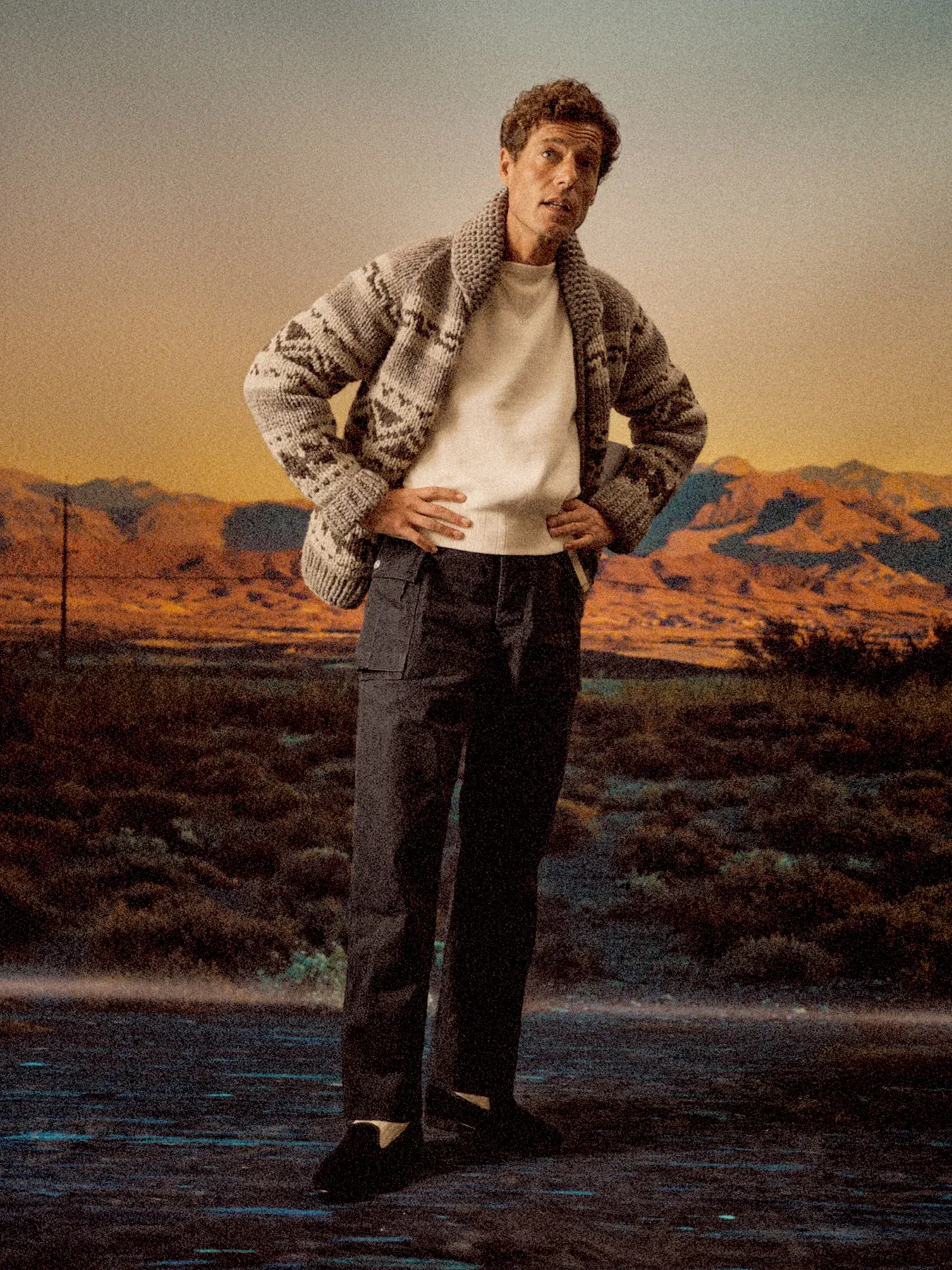
Fatigues are the most outdoor-ready of the "tailored" pants. While only a few cuts have those nice lines that come with unattached waistband construction (the USMC P44 and OG-107s are definitely not tailored with their boxy shapes) the ones that do are interesting silhouettes that can be combined with even more styles and pieces.
Samurai’s pants aren’t quite fine enough to be worn with dressier shirts or a blazer. But in something like Bryceland’s P13, whew. That can stand up to literally anything, including a hike, hunt, or Michelin starred restaurant.
I’ve been fascinated by 1970s chronograph watches as of late. You can wear one of these chunky, spaceship-shaped watches with fatigues, chore coat and boots no problem. Or you could wear my other favored watch to look at (but never buy), the Jaeger-Lecoultre Reverso, with those P13s, a thornproof tweed jacket and Western-style chambray button-up shirt. In summation, fatigues can look good if you get them in the right cut, wear well if you get the 100% cotton ones, and they keep up with the times even as they are a’changin.
To that end, women in Montana wear Montana Heavy Duty more regularly and better than a lot of the men here. It's so apparent in fact, it's made me reconsider what kind of designers I really appreciate and potentially, what kind of clothing I would design if I ever had the opportunity to start my own label. All of this because while looking for good instances of fatigues being worn in real life and seeing women wearing them and wearing them correctly.
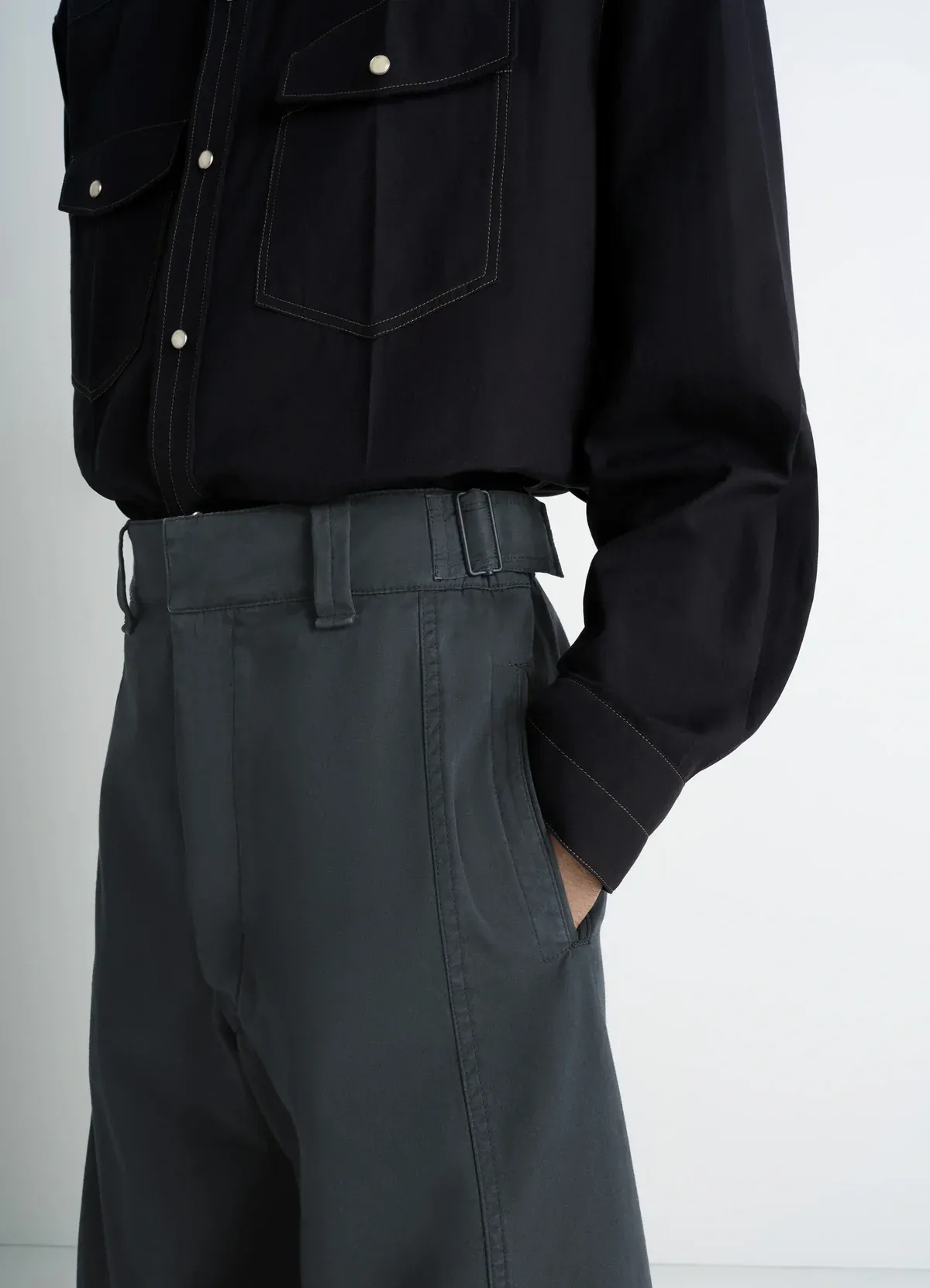
Seeing items that I appreciate show up in women’s clothing is a gratifying experience. While I might not enjoy the futuristic silhouettes of Lemaire to their fullest extent, I do think more styles can be worn across gender lines like their designers obviously believe should be done. Higher-waisted pants with full cuts, boxy outer layers paired with tailored shirts and strong color choices look good across all shapes and sizes of people. Wide pants make for interesting movement when walking, and intriguing drape while standing still no matter the gender of the person wearing them.
Fatigues are, I think, the primo item for this gender-neutral Montana Heavy Duty claim that I am beginning to make (or at least consider). They were made for soldiers of all body types (which is why they look good on men and women: non-hip hugging pants don’t need to worry about form as much). They were intended to be hard wearing. They’re highly functional. And as noted before, they make a lot of sense in a lot of different Montana-specific contexts. Would I wear a $355 pair of Samurai baker pants hunting? Or to a black-tie dinner (not that those really exist in Montana, except maybe on Yellowstone? Kevin Costner has many sins to pay for)? Probably not!
But the thing is, you could. That’s what Montana Heavy Duty style is all about. It’s making opportunities to wear things that last, and to see them make sense in their context.